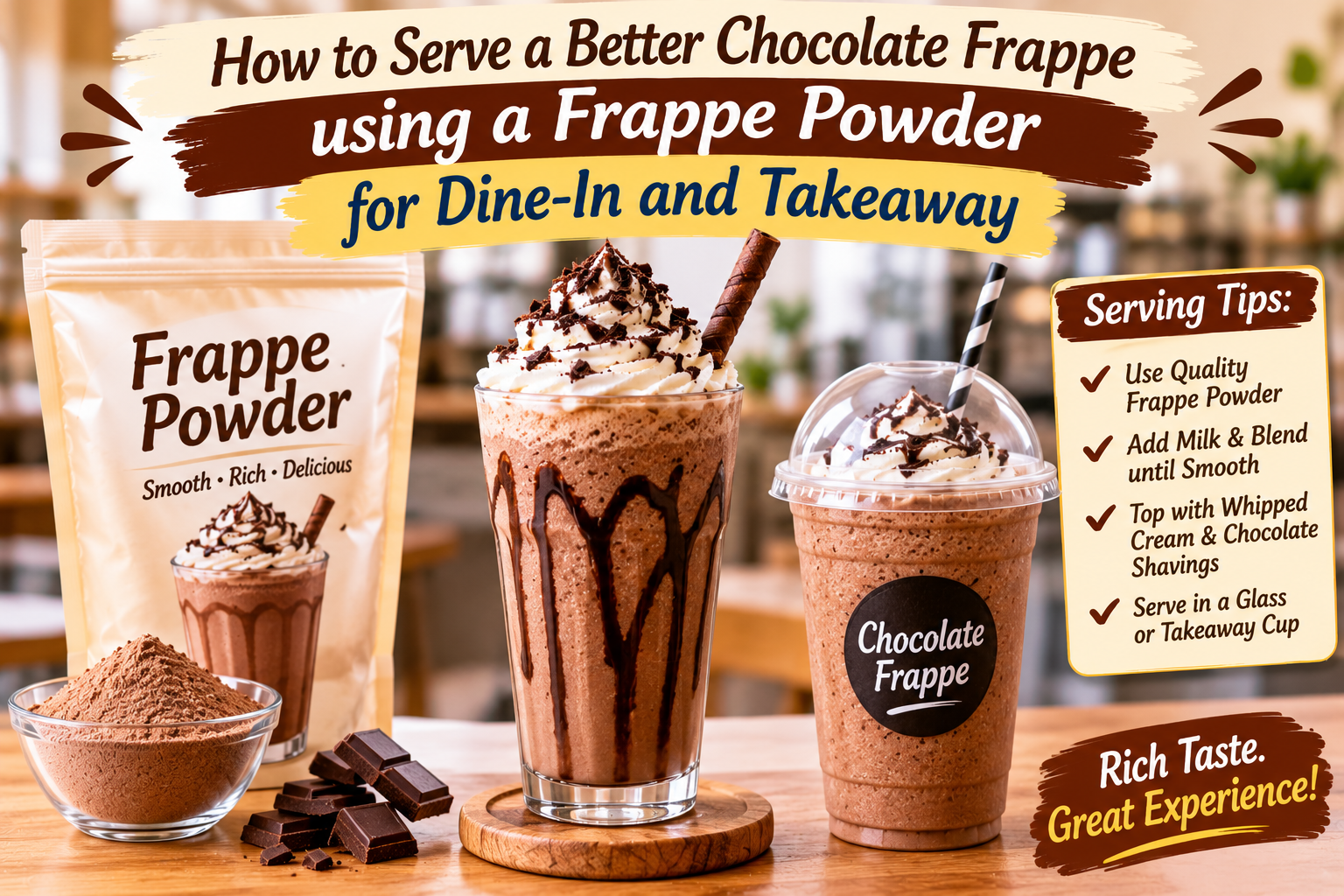
A client requests a vanilla frappe along with a brownie. Afterward, someone else asks for a vanilla frappe but with coffee. These two orders provide enough ideas to create a cold drinks menu. One drink stands out from the others, while the second one relies on espresso.
The question now is how far to go with this idea. Some combinations provide clients with a real choice. Others leave the staff measuring three ingredients before making drinks that don’t differ much from the original one. Start with a small menu, test it in your own store, and justify every drink to be on the menu.
Choose flavors from the orders you already take
Before you start listing your flavour options, spend a week analyzing your order receipts. Find out what cold drinks your customers are buying with their food and which ones they purchase separately. Talk to your staff to find out what drinks customers are inquiring about as they look at your beverage menu. Six requests for a cold coffee give you more insights about your upcoming trial than six people who voted in favour of a product.
Use those orders to narrow your choice of frappe powder. The options you have include Vietnamese coffee, vanilla, or coffee powder. If customers frequently order a cold vanilla latte after the meal, try using Vietnamese coffee with vanilla.
Name each drink before making it. If two drinks require long explanations, try tasting them to decide whether it is reasonable to use both names.
Set the base recipe first
A serving size of 250 ml of this vanilla frappe powder recipe uses 120 ml of milk, 30 g of mix and 96 g ice. Blending takes about two to three minutes. It makes sense to weigh the ice for the first trial since the recipe specifies using six cubes, while the weight of the ice obtained from the machine at home can be different.
After pouring the drink from a blender into a cup, you need to check how it tastes when consumed through a straw offered to the customers. Start with that first drink to see how vanilla is tasted, whether the straw clogs with ice and what the level of drink in the cup is.
Ask somebody who will come after you to prepare the drink according to your notes. If the two drinks turn out to be different, pay attention to how much milk and ice each person put into the mix before changing the recipe. Take a picture of the finished cup as soon as two servings match.
Give the second drink a clear point of difference
In case you desire to make a coffee variation of vanilla drinks, try to prepare the vanilla drink with the coffee which is included in the orders you are making regularly. Check the amount of the coffee you used while preparing the vanilla drinks and evaluate the final volume of the drink. Taste and compare to the original.
If you work in a bakery and you have the habit of making desserts using the caramel, use the amount of the caramel specified instead. Take one sip of the dessert and check the taste after stirring. The drizzle of caramel on the drink will look reassuring to get the flavor of the coffee, however, the first sips will completely be dominated by the plain vanilla flavor. Change the way of adding it in the drink.
Try each of the cocktails to learn how the addition affects the drink made with ordinary coffee. Check what will happen to the coffee drink when your barista is utilizing espresso for preparing other beverages.
Write the recipe for a busy shift
Keep the recipe card close enough to read while you work. Give your team four details they can check at a glance.
- Measures: List the quantity of each ingredient beside the tool your team uses. If you portion sauce by the pump, weigh one pump from the bottle at your counter before you cost the drink.
- Blender setting: Record the setting and time you approved on your machine. If you have two different blenders, test the drink on both and label the instructions for each one.
- Cup and finish: Name the cup size, mark the fill level and show where the topping goes. Include the lid in the photo if you serve most orders to go.
- Order sequence: For a coffee variation, agree who pulls the shot and when. Try the sequence with a pastry order so the person serving knows when to pack the food.
Time a short run from the moment the ticket prints until the blender is ready for the next order. Include the pour, lid and jug wash. If the queue builds while someone searches for a clean jug, move the spare jugs closer before you change the blend time.
Cost what goes across the counter
Prepare one complete serving using the ingredients and packaging that you normally use. This will include adding your mix, milk, espresso or sauce, cup, lid and straw. For each ingredient you buy on a per weight basis, calculate the cost of that ingredient by dividing the price of the pack by the weight of the pack in grams and then multiplying the result by the grams you used of the ingredient. Make sure to calculate separately the costs for every ingredient based on the fact that some drinksfgfg are flavored and others are plain.
Also, check what is left in the container after you pour the drink into a cup. If, after making an espresso drink, there are several sips left in the container, it means that you pay for ingredients that the drinker does not get.
Let the first week guide the next flavour
Launch the plain vanilla frappe and one variation. At the end of the first week, review how many of each you sold, which orders your team remade and what customers asked to change. If the coffee version sells well but holds up hot drink orders, work on the handover at the espresso machine before giving another flavour space on the board.
Keep the recipes customers come back for. When you hear the same request several times at the till, use it to choose your next trial.
Conclusion
Building a successful café beverage menu around French vanilla frappe powder requires a thoughtful balance between creative drink design and practical operational efficiency. By starting with a lean menu based on actual customer ordering habits, café owners can refine base recipes and establish distinct points of differentiation without overwhelming staff during peak shifts. Standardizing proportions and workflow sequence ensures product consistency while minimizing costly ingredient waste. Precise costing of every component, from mix and milk to cups and straws, guarantees that each beverage served across the counter contributes directly to profitable margins. Ultimately, the key to sustainable menu development lies in active observation and customer feedback during initial sales weeks. Analyzing drink popularity and operational bottlenecks allows managers to make data-driven adjustments before introducing new seasonal flavors or menu expansions. Keeping recipes straightforward and aligned with guest preferences establishes a loyal customer base and sets the foundation for long-term growth.
